24/7 Service Available - Submit Request Below
Gray, GA septic support for rural homes, farms, and resale inspections

Septic service in Gray, Georgia built for Jones County properties.

Septic tanks in Jones County, Georgia need pumping every 3–5 years, and the region's red clay soils put extra stress on drain fields — making routine maintenance more critical for rural properties than most owners realize until something fails. Backed-up drains, overdue pump-outs, soggy yards, and pre-sale inspections are the most common reasons Gray homeowners request septic service. No phone call required to get a quote — use the form to request service anywhere in Gray or across Jones County.

Core Services

Septic services for Gray homes, rural tracts, and property transfers.

Gray Septic offers five septic services for homeowners in Gray, Georgia — from scheduled septic tank pumping and septic tank service to complete septic system replacement for Jones County properties. Submit a request with your property details and current symptoms to get the right next step.

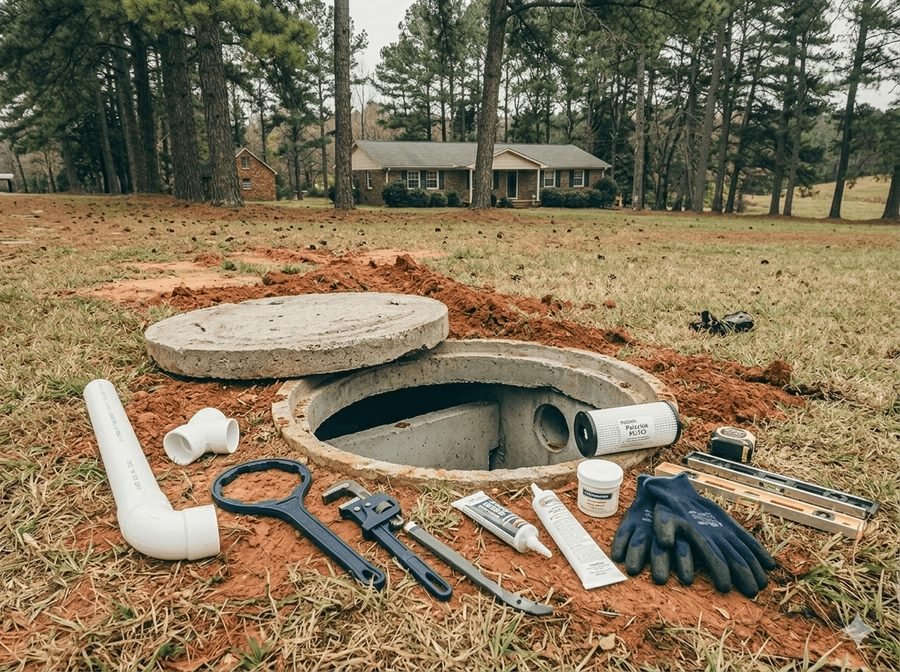
Residential septic tank pumping service in Gray, Georgia

Septic Tank Pumping

Routine septic tank pumping in Gray helps remove solids before they reach the drain field. It is the simplest way to protect older Jones County systems from avoidable backups.

Learn more
Septic system repair work for Jones County, Georgia properties

Septic System Repair

When drains slow down, odors show up, or wastewater starts surfacing, septic repair matters fast. Gray Septic focuses on diagnosing the likely cause before recommending bigger work than the property needs.

Learn more
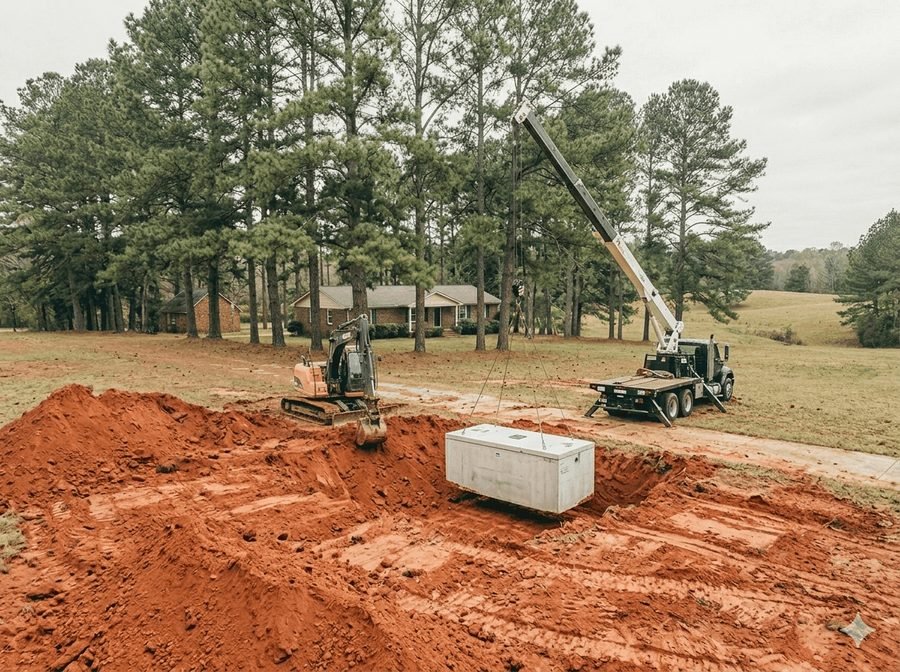
Septic system installation planning for rural Jones County, Georgia lots

Septic Tank Installation

New build planning and replacement projects depend on layout, soil, and usable lot space. We help Gray property owners understand installation scope before they commit to excavation work.

Learn more
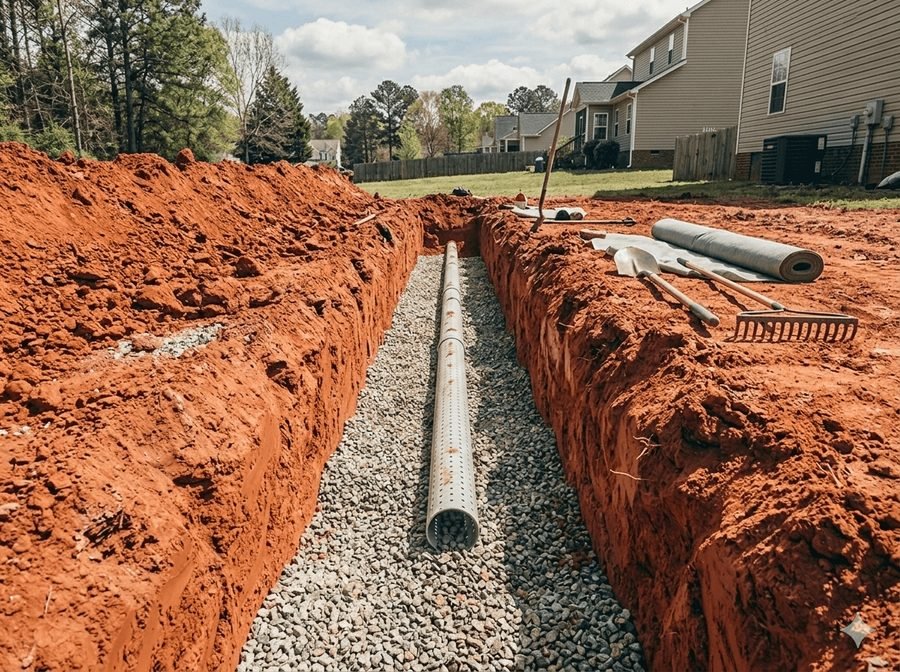
Drain field repair and absorption area diagnostics in Gray, Georgia

Drain Field Repair

Drain field problems often show up as soft ground, odors, or water that has nowhere to go after storms. Red clay soils in Jones County can compound absorption problems after wet stretches. Gray Septic helps separate localized drain field repair from full-system replacement decisions.

Learn more
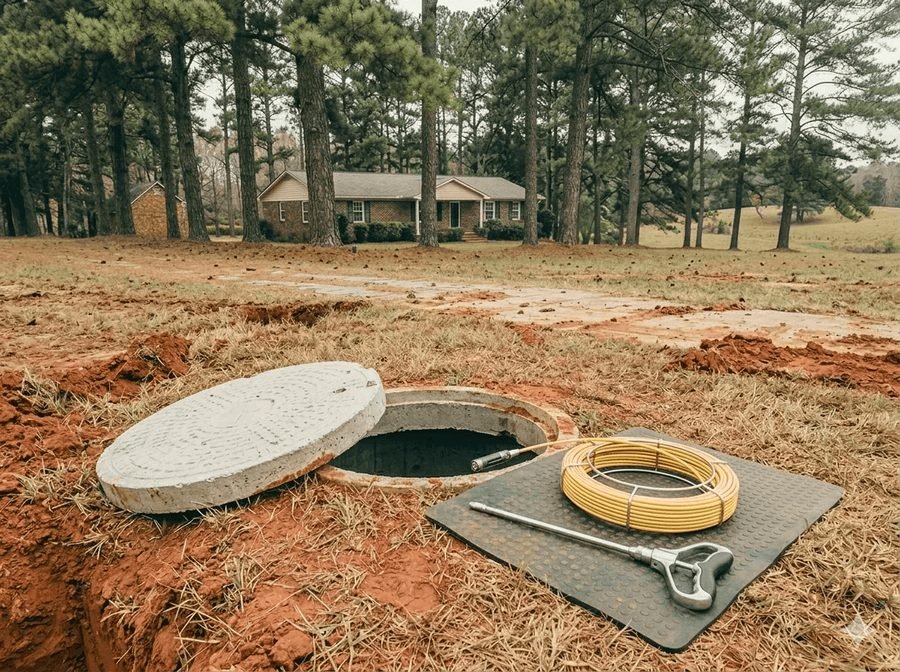
Septic inspection service for home buyers and sellers in Jones County, Georgia

Septic Inspection

Septic inspections help homebuyers, sellers, and owners understand what they are inheriting below grade. That is especially useful for rural Jones County properties with incomplete records or long gaps between service visits.

Learn more

Why Property Owners Reach Out

Septic service built around local realities instead of generic advice.

Homes around Gray often sit on larger lots, private systems, and soils that react differently after long wet periods. Clear next-step guidance matters more than vague marketing language.

Focused on practical next steps

Gray Septic keeps the focus on safe site work and honest recommendations for residential systems, not pressure tactics or unnecessary upsells.

24/7 request intake

The quote form and site chat stay available after hours so emergency concerns can be submitted without waiting for the next business day.

Quote-first communication

No phone number is required on this site. You can explain the problem in writing, upload the details through the form, and wait for a review.

Coverage across Jones County

Gray is the core septic service area, but requests can reflect rural properties throughout Jones County where drainage conditions vary lot by lot.

Why Choose Us

What usually drives septic service calls around Gray.

Septic issues rarely begin as one dramatic event. They usually build from site conditions, maintenance gaps, and warning signs that are easy to ignore until the yard or plumbing starts reacting. Gray Septic handles all common residential septic service needs across Jones County — conventional gravity-fed systems, concrete septic tanks, pressure-dosed systems, and aerobic septic systems — as well as the drain field components connected to each. As a local septic service provider based in Gray, Georgia, we keep the focus on practical next steps for Jones County properties rather than upsells.

1
Heavy soil changes how systems drain.
Red clay and compacted areas can slow absorption, especially after long wet stretches in Jones County.
2
Usage patterns matter more than homeowners expect.
Large laundry days, frequent guests, and older tanks can shorten the time between septic maintenance visits.
3
Small symptoms tend to travel.
A slow sink or occasional odor can point to a larger issue between the tank, lines, and drain field if it keeps returning.
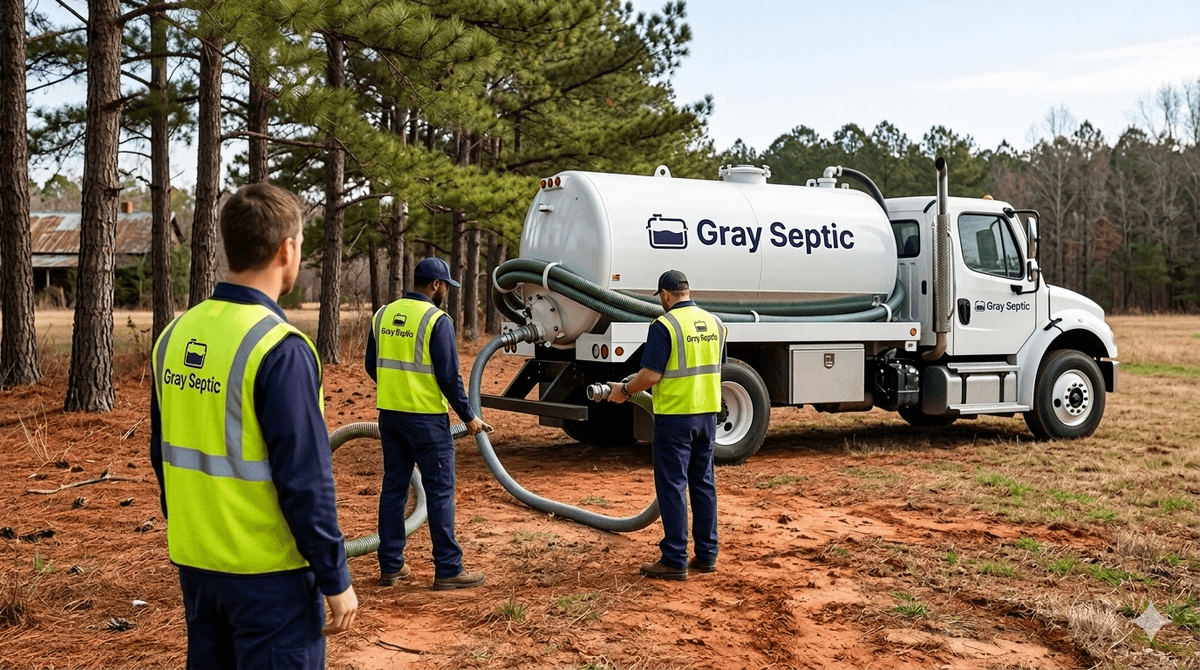
Gray Septic crew at work

What To Watch For

Early signals property owners should not ignore.

  • Pooling water near the drain field
  • Sewage odor outdoors or indoors
  • Repeated slow drains in multiple fixtures
  • Inspection needs before a sale or purchase

Service Area

Septic service throughout Jones County and surrounding communities.

Gray Septic provides septic service throughout Jones County, Georgia, serving Gray and surrounding communities including Round Oak, Haddock, and Clinton. Rural homesteads and unincorporated areas across Jones County are part of the regular septic system service area. Affordable septic service options are available for standard maintenance, routine pump-outs, and basic repairs — owners can get a free quote without a phone call. Septic permits and environmental health services for the county are administered through Jones County, Georgia.

Gray
Round Oak
Haddock
Clinton
Jones County
Rural Homesteads
Large-Lot Properties

FAQ

Common septic questions from Gray and Jones County property owners.

These are the issues people usually search when they are deciding whether to schedule pumping, request repair help, or get a septic inspection before a property changes hands.

In Jones County, Georgia, most residential septic tanks need pumping every 3 to 5 years, though larger households, garbage disposal use, and uncertain service histories can shorten that interval. Properties on rural acreage in Jones County often go longer between professional contacts, which makes knowing the pump-out history especially important when buying or inheriting a property. During a routine visit, a condition check can help set the right maintenance schedule going forward.

In Jones County, Georgia, the most common warning signs that a septic system needs repair are slow drains, sewage odors, soggy patches over the drain field, and gurgling toilets that get worse after heavy water use. Extended rain can also expose existing system weaknesses by saturating the clay-heavy soils common across rural Jones County lots. When those symptoms show up together, requesting a septic inspection before the issue spreads is the safest next step.

In Jones County, Georgia, yes — in many cases drain field repair can target the specific section or component that failed without replacing the entire system. Options include restoring distribution, correcting damaged lines, or addressing localized failures where the soil can still support absorption. The right recommendation depends on how far the failure has progressed and whether the tank and other system components are still in serviceable condition.

In Jones County, Georgia, a septic inspection before purchasing is strongly recommended because the system is buried, expensive to replace, and easy to overlook during a standard home showing. The inspection helps confirm tank condition, visible warning signs, and whether the system appears to be operating normally. That information gives buyers leverage before closing instead of discovering a problem after move-in.

In Jones County, Georgia, septic system installation typically ranges from $6,000 to $15,000 for a conventional residential system, with the final cost shaped by tank size, site access, soil conditions, system design, and the extent of excavation or drain field work required. Slope, red clay content, and lot layout around Gray can all influence labor and material needs significantly. A site-specific quote is the only reliable basis for comparing repair versus replacement options.

In Jones County, Georgia, a sewage smell near the yard can come from an overdue tank, a damaged baffle, a clogged line, or a failing drain field — so pumping alone may not solve the underlying problem. If the odor returns quickly after a pump-out or the ground stays wet, the system needs a closer look at components and field conditions. Catching the actual cause early typically makes the repair simpler and less expensive.

In Jones County, Georgia, most septic inspections take one to two hours, though rural properties with older records or hard-to-locate access lids can take longer. The time depends on access conditions, system layout, and whether extra investigation is needed to locate buried components. The goal is to gather useful condition information about the actual system rather than rushing through the visit.

In Jones County, Georgia, extended rain can saturate the soil, reduce drain field absorption, and make slow drains or backups noticeably worse. Middle Georgia's red clay soils have naturally lower percolation rates, which compounds the impact on properties with stressed or aging systems. Good maintenance and early repair work help prevent weather from turning a manageable issue into a full system failure.

In Jones County, Georgia, a soil percolation test — commonly called a perc test — is required before a new septic system can be permitted and installed. The test measures how quickly water drains through the soil and determines what type of system and drain field design is appropriate for the site. Jones County Environmental Health administers septic permits under Georgia EPD authorization, and the perc test results must be on file before installation work can begin.

In Jones County, Georgia, septic system permits are issued through the Jones County Environmental Health office under authority from the Georgia Environmental Protection Division (EPD). The permit process typically requires a site evaluation, soil percolation test, and system design that meets Georgia's setback requirements from wells, property lines, and structures. Permits are required for new installations and for major repairs or replacements — minor maintenance and pumping do not require a permit.

In Jones County, Georgia, the most recognizable signs of a failing septic system include slow or gurgling drains in multiple fixtures, sewage odors inside or near the yard, soggy or unusually green patches of grass over the drain field, and wastewater surfacing on the ground. These symptoms often appear together and tend to worsen after heavy rain, when Middle Georgia's red clay soils become saturated. A failing system that is not addressed promptly can escalate from a component repair into a full drain field replacement — the most expensive outcome.

In Jones County, Georgia, a septic system backup is a situation that requires prompt action — stop all water use in the home, avoid flushing or running laundry until the tank has been evaluated, and submit a service request as soon as possible. A backup can indicate an overdue tank, a blocked outlet, or a failing drain field. Continuing to add water to a backed-up system pushes wastewater into the field and makes the repair more extensive. Gray Septic handles emergency septic repair requests across Jones County.

In Jones County, Georgia, skipping septic tank pumping allows solids to build up past the safe level in the tank — eventually, those solids push into the outlet and travel toward the drain field. Once the absorption area is affected, repair costs increase significantly. Most residential septic tanks in Jones County need pumping every 3 to 5 years, and rural properties that change hands without records often have already exceeded a safe interval. Catching an overdue tank before symptoms appear is the least expensive maintenance outcome.

In Jones County, Georgia, a well-maintained conventional septic system typically lasts 25 to 40 years, though the actual lifespan depends on soil conditions, maintenance history, water usage, and original installation quality. Properties with heavy red clay soils may see reduced drain field longevity because those soils absorb wastewater more slowly and stress the absorption area over time. Systems that have been pumped regularly and have not experienced flooding tend to last toward the longer end of that range. When buying a rural Jones County property, knowing the system age alongside its service history is important before committing to the purchase.

In Jones County, Georgia, most septic tank additives and bacterial treatment products are not recommended by the Georgia Environmental Protection Division and are generally unnecessary for a properly functioning system. A healthy septic tank already contains the bacterial population needed to process household waste, and adding commercial products can disrupt that balance or harm drain field function. The most effective maintenance approach remains routine pumping on the right schedule — typically every 3 to 5 years for most residential systems in Jones County — rather than using treatments to compensate for overdue service.

In Jones County, Georgia, building over a septic tank or drain field is not permitted and creates serious access and long-term maintenance problems. Septic tanks require regular pump-out access, and covering lids with decks, patios, or other structures makes future service difficult and can affect permit compliance. Drain fields must remain unobstructed at the surface to allow the oxygen exchange that bacteria need to treat wastewater — compacting the soil with heavy structures or vehicle traffic reduces absorption capacity and accelerates failure. Jones County Environmental Health requires system access to remain unobstructed under Georgia EPD rules.

In Jones County, Georgia, a conventional septic system routes liquid waste from the tank into perforated pipes laid in gravel trenches where wastewater filters through the surrounding soil. An alternative system is used when the site cannot support conventional drain field installation — which happens frequently on Jones County lots where red clay soils have low percolation rates or where available space is constrained by setback requirements. Alternative systems include mound systems, drip irrigation systems, and low-pressure dose systems. Georgia EPD and Jones County Environmental Health determine which system type is appropriate during the permit and site evaluation process.

In Jones County, Georgia, the minimum setback from a conventional septic drain field to a private drinking water well is 75 feet under standard Georgia EPD rules, with the tank itself required to be at least 50 feet from the well. These distances exist because untreated or partially treated effluent can move through soil and contaminate groundwater if separation is insufficient. On rural Jones County properties where both a private well and an aging septic system are present, confirming that both systems are properly sited relative to each other is one of the most important checks before purchasing.

In Jones County, Georgia, sellers of residential property with a private septic system are generally expected to disclose the system's age, known maintenance history, any prior failures or major repairs, and whether the system is currently functioning without known issues. Georgia's property disclosure requirements cover known material defects, and a septic system in active failure would qualify. Buyers are strongly encouraged to request an independent septic inspection before closing rather than relying solely on seller disclosures, because buried systems are difficult to evaluate without a direct inspection. Having a recent service record available at the time of listing is practical good practice in Jones County real estate.

In Jones County, Georgia, locating a buried septic tank lid typically involves tracing the main sewer line from the house, checking for slight surface depressions or soft ground, or reviewing permit records with Jones County Environmental Health. Lids on older systems are sometimes buried under several inches of soil after years of landscaping changes. Some properties have secondary access ports for the outlet compartment in a different location from the main inlet lid. If permit records are unavailable, a service provider can often locate the tank by probing or following the outlet pipe during a service visit. Having lids clearly marked and accessible before a scheduled pump-out keeps the visit efficient.

Request Service

Tell us what the septic system is doing.

Use the form for any local septic service need — pumping, repair, inspection, installation, or drain field work. We review every request and respond promptly.

  • Primary contact path: Online quote form for Gray and Jones County requests.
  • Best details to include: Property location, visible symptoms, and whether the issue is urgent.
  • Email option: Email Gray Septic
Quote